
Active examination
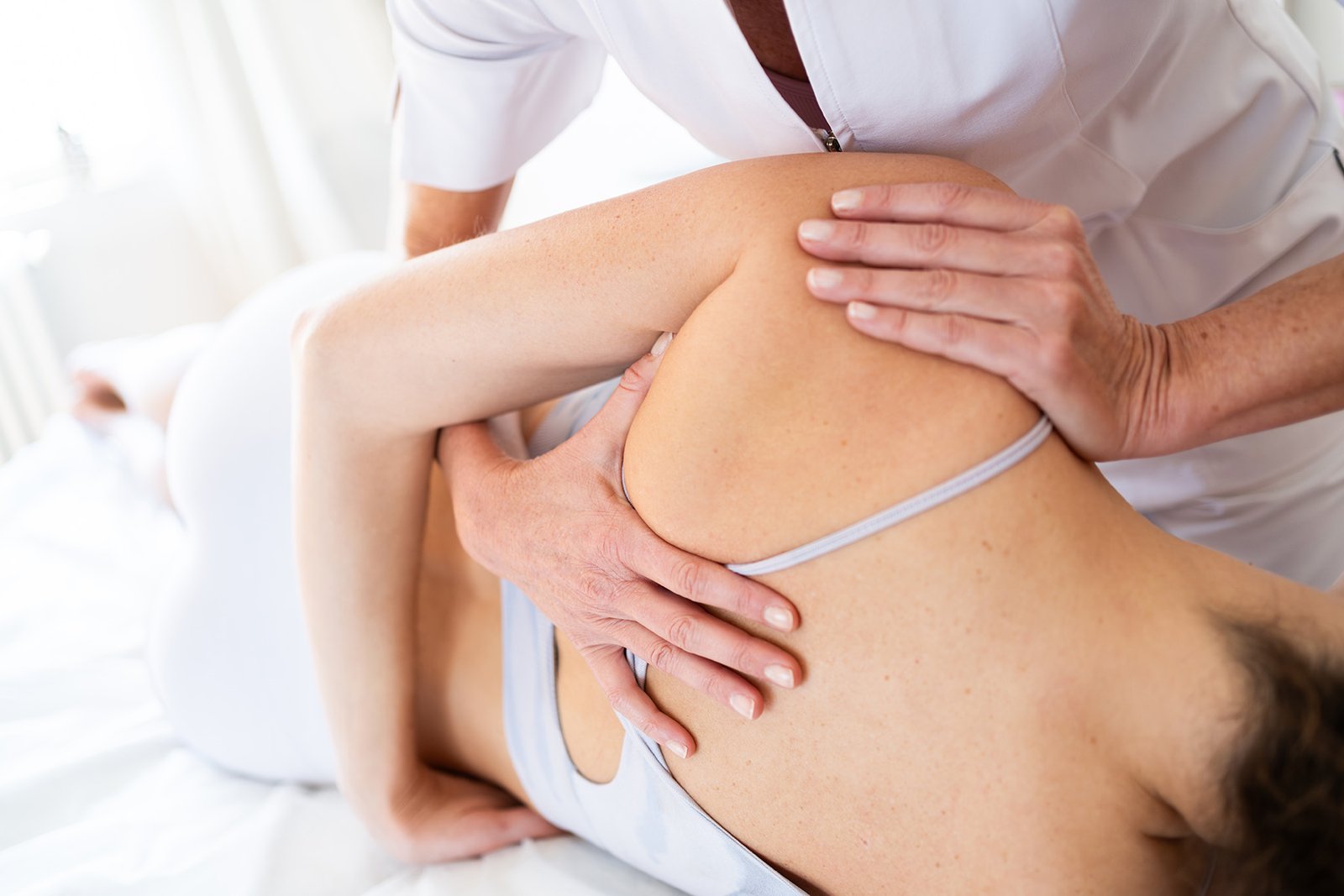
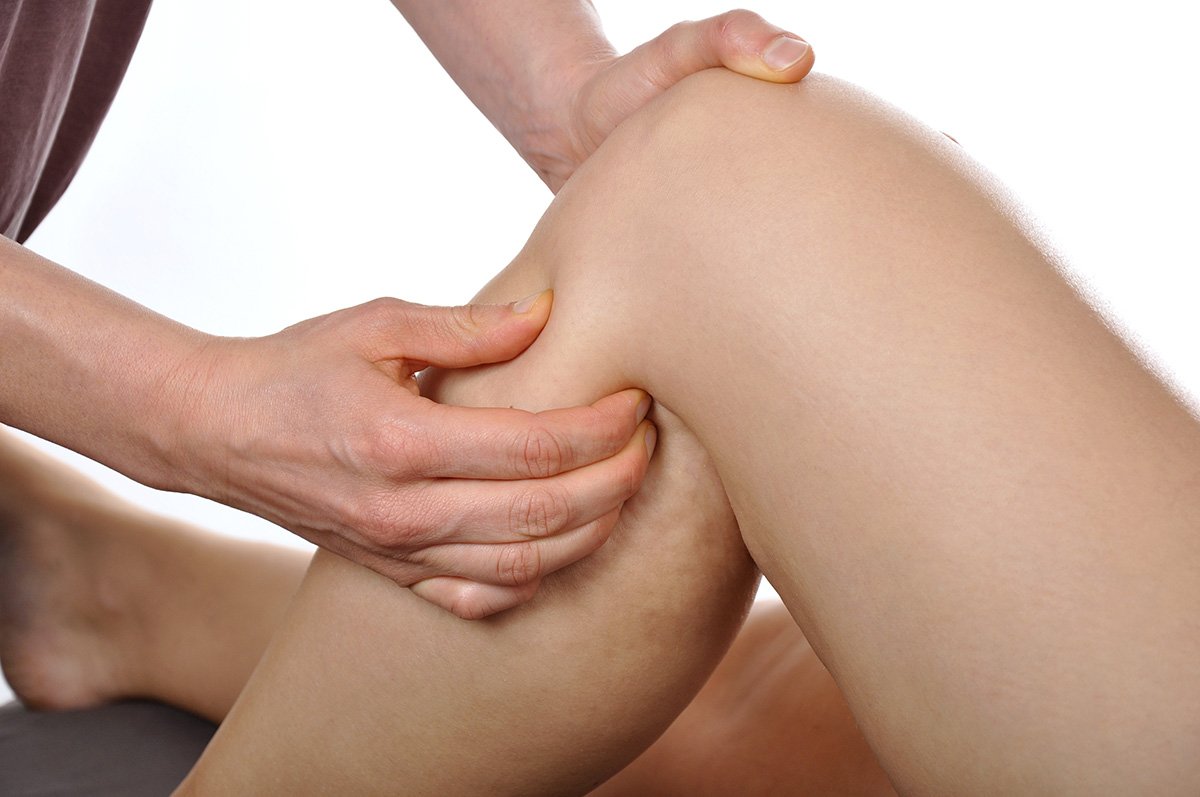
Observing your normal standing posture helps assess symmetry, muscle tightness and compensatory patterns. You’ll be asked to perform movements — flexion, side bending and rotation of the spine (pain permitting) — so mobility and limitations can be understood. Similar movements may be used for shoulder, hip or knee problems.